Why You Snore at Night — And Why Most Solutions Don't Work
If you've tried nasal strips, sprays, mouthpieces, and even a CPAP machine without relief, you're not alone. Here's what sleep researchers have learned about the real cause of snoring — and a simpler approach most people overlook.
Roughly 90 million American adults snore. For most of them, the snoring isn't being caused by anything sinister — but it's still wrecking their sleep, and the sleep of anyone within earshot. The strange part is that many of the popular "fixes" treat the wrong problem entirely.
What's actually happening when you snore
Snoring is the sound of soft tissue in your upper airway vibrating as you breathe. As you fall into deeper sleep, the muscles around your throat and tongue relax. If your airway is even partially obstructed, the air rushing past those relaxed tissues makes them flutter — and that flutter is the snore.
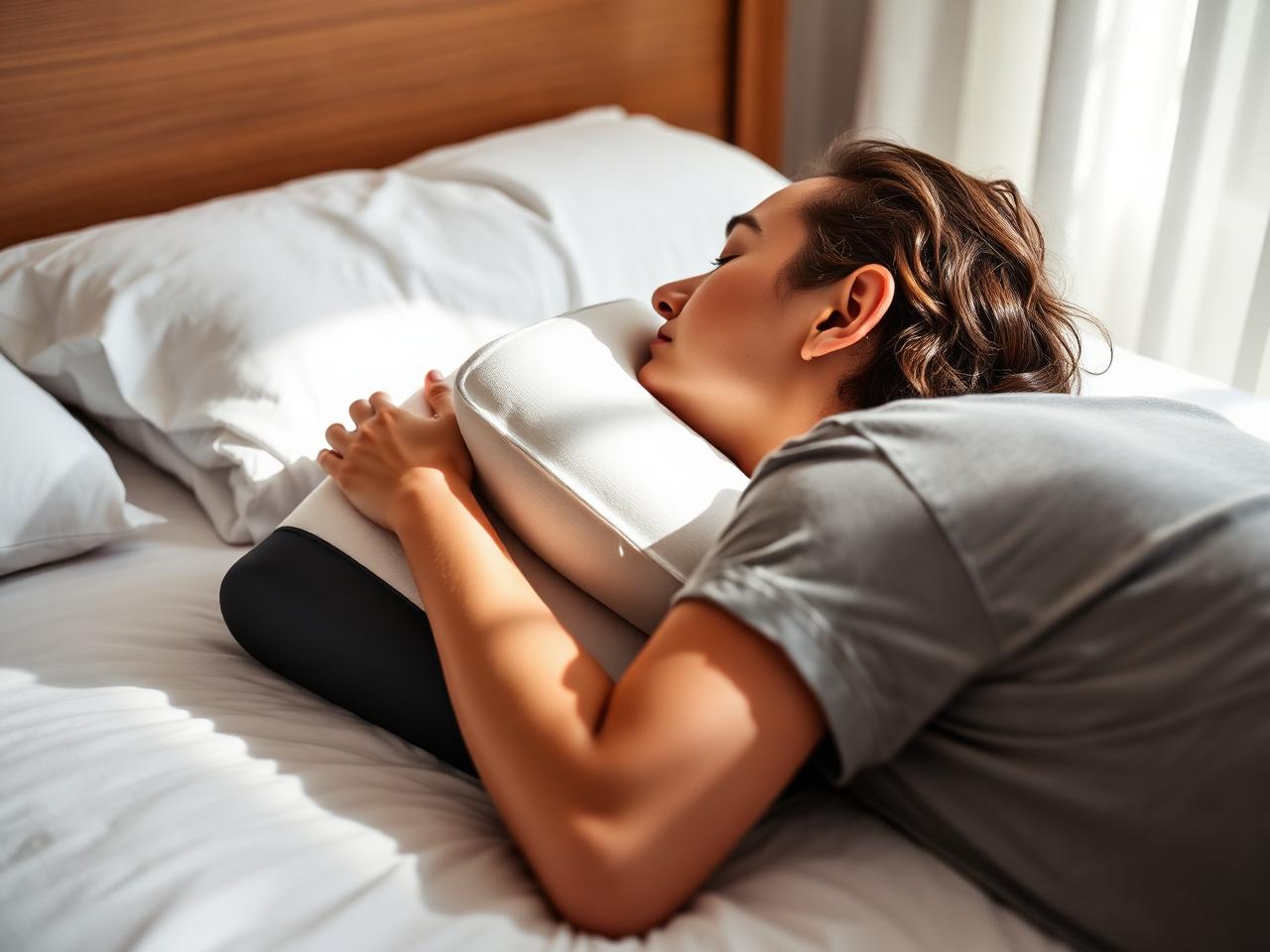
The single biggest reason an airway becomes partially obstructed during sleep? Position. Sleeping on your back lets gravity pull your tongue and soft palate backward, narrowing the airway. Studies of recorded sleep show that roughly half of all snoring stops or dramatically reduces when a back-sleeper rolls onto their side.
Why most "anti-snore" products miss the point
- Nasal strips open your nostrils slightly. Helpful if your snoring is purely nasal — but most snoring originates further back, in the throat.
- Sprays coat the soft tissue to reduce vibration. The effect, if any, is short-lived and doesn't change why your airway is closing.
- Mouthpieces reposition your jaw forward. They can work, but many people find them uncomfortable enough to abandon within a week.
- CPAP machines are the medical standard for diagnosed sleep apnea — and they're remarkable when needed. But they're loud, expensive, require a prescription, and roughly 50% of users stop wearing them within a year due to discomfort.
None of those address the real culprit for most everyday snorers: the head, neck, and shoulders are in a position that lets the airway collapse.
The simpler approach: fix the position
Sleep researchers have known for decades that positional therapy — keeping snorers off their back and properly supporting the cervical spine — can significantly reduce snoring intensity for non-apnea snorers.
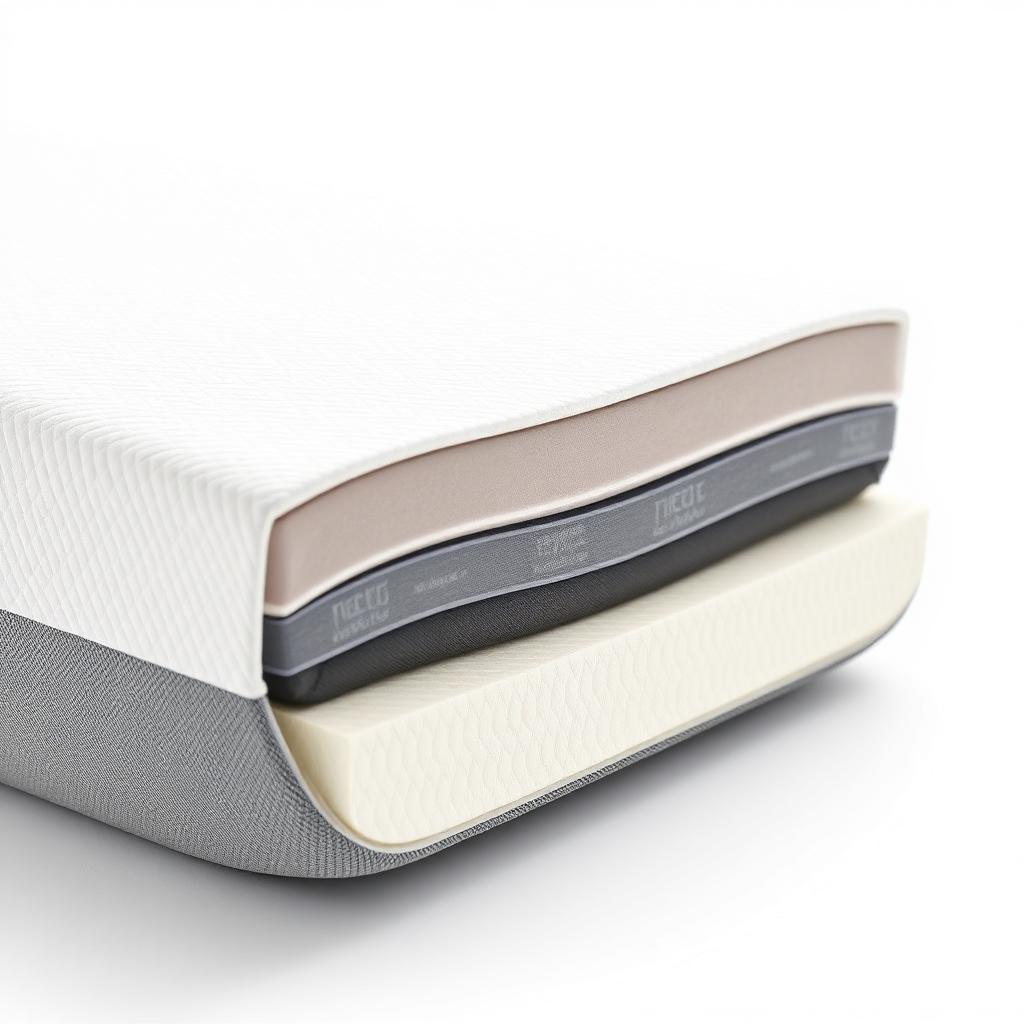
The challenge has always been comfort. Telling someone to "just sleep on your side" doesn't work, because they roll back over the moment they fall asleep. The trick is a pillow shape that gently encourages side sleeping and supports the neck so the airway stays open all night — without you having to think about it.
A reader's story
"My wife used to wake me up most nights to roll over. We'd tried strips, a mouthguard, even slept in separate rooms for a few months. Switching to a positional pillow wasn't a magic cure, but the difference the first week was real enough that she stopped wearing earplugs."
What we recommend trying first
If your snoring is mild to moderate, doesn't include gasping or choking, and your doctor hasn't diagnosed you with sleep apnea, the lowest-risk thing to try is a position-supporting pillow. It's affordable, requires no prescription, and the downside is essentially nothing — at worst, you've upgraded your pillow.
We've reviewed the most popular options on the market. Our pick for comfort, durability, and a generous trial period is DreamRest, an ergonomic pillow developed with input from sleep specialists.
See if a positional pillow helps you sleep quieter
60-night sleep trial. Free shipping. Full refund if it doesn't help — no questions asked.
See If This Works For You →A final word
If you snore loudly enough to wake yourself up, gasp or choke during sleep, or feel exhausted no matter how long you sleep, please see a doctor. Those are signs of potential sleep apnea, which is a serious medical condition and shouldn't be self-treated with a pillow. For everyone else, addressing position before reaching for a machine or a medication is usually the simpler — and quieter — path.